Introduction to Yongzheng Rose-Pink Glazed Cup
The Yongzheng Rose-Pink Glazed Cup is a quintessential example of Chinese porcelain art from the Yongzheng period (1723-1735) of the Qing Dynasty. This period is often regarded as the pinnacle of porcelain craftsmanship in Chinese history, characterized by its elegance, delicate forms, and subtle color palettes.
Characteristics of the Cup
The cup is typically made with an exceptionally fine and thin porcelain body, often referred to as "egg-shell" porcelain, which is translucent and exudes a sense of delicacy. The exterior of the cup is coated with a rose-pink glaze, known in Chinese as "Yan Zhi Hong." This unique glaze is created by adding a minute amount of gold (Au) to the glaze mixture and firing it at around 800°C. The result is a vibrant yet soft pink hue that resembles the color of rouge, hence its name.
The glaze can vary in shades, ranging from deep rose-pink to lighter tones known as "Yan Zhi Shui" (rouge water), and even more subtle shades like "light pink." The interior of the cup is often left with a pure white glaze, creating a striking contrast that enhances its aesthetic appeal.
Historical Context
The rose-pink glaze was first introduced to China from Europe during the late Kangxi period and was perfected during the Yongzheng reign. It quickly became a favorite of the imperial court due to its vibrant color and delicate appearance. The Yongzheng Emperor himself was known for his refined taste in porcelain, favoring pieces with understated elegance and high-quality craftsmanship.
Cultural Significance
The Yongzheng Rose-Pink Glazed Cup is not only a functional object but also a symbol of the era's artistic and technological achievements. It reflects the cultural exchange between China and Europe during the 18th century, as the glaze technology was imported via Jesuits working in the Chinese imperial court. Additionally, the cup's design and production exemplify the meticulous attention to detail and the pursuit of perfection characteristic of Yongzheng porcelain.
Modern Value
Today, the Yongzheng Rose-Pink Glazed Cup is highly prized by collectors and museums worldwide. Its rarity, combined with its historical and artistic significance, makes it a valuable piece of cultural heritage. The cups are often displayed in museums such as the Shanghai Museum and the Palace Museum in Beijing, where they continue to captivate audiences with their timeless beauty.
In summary, the Yongzheng Rose-Pink Glazed Cup is a masterpiece that embodies the elegance and sophistication of the Yongzheng period. It stands as a testament to the remarkable achievements of Chinese porcelain craftsmanship and the enduring appeal of its delicate beauty.
Introduction to Yongzheng Rose-Pink Glazed Cup
The Yongzheng Rose-Pink Glazed Cup is a quintessential example of Chinese porcelain art from the Yongzheng period (1723-1735) of the Qing Dynasty. This period is often regarded as the pinnacle of porcelain craftsmanship in Chinese history, characterized by its elegance, delicate forms, and subtle color palettes.
Characteristics of the Cup
The cup is typically made with an exceptionally fine and thin porcelain body, often referred to as "egg-shell" porcelain, which is translucent and exudes a sense of delicacy. The exterior of the cup is coated with a rose-pink glaze, known in Chinese as "Yan Zhi Hong." This unique glaze is created by adding a minute amount of gold (Au) to the glaze mixture and firing it at around 800°C. The result is a vibrant yet soft pink hue that resembles the color of rouge, hence its name.
The glaze can vary in shades, ranging from deep rose-pink to lighter tones known as "Yan Zhi Shui" (rouge water), and even more subtle shades like "light pink." The interior of the cup is often left with a pure white glaze, creating a striking contrast that enhances its aesthetic appeal.
Historical Context
The rose-pink glaze was first introduced to China from Europe during the late Kangxi period and was perfected during the Yongzheng reign. It quickly became a favorite of the imperial court due to its vibrant color and delicate appearance. The Yongzheng Emperor himself was known for his refined taste in porcelain, favoring pieces with understated elegance and high-quality craftsmanship.
Cultural Significance
The Yongzheng Rose-Pink Glazed Cup is not only a functional object but also a symbol of the era's artistic and technological achievements. It reflects the cultural exchange between China and Europe during the 18th century, as the glaze technology was imported via Jesuits working in the Chinese imperial court. Additionally, the cup's design and production exemplify the meticulous attention to detail and the pursuit of perfection characteristic of Yongzheng porcelain.
Modern Value
Today, the Yongzheng Rose-Pink Glazed Cup is highly prized by collectors and museums worldwide. Its rarity, combined with its historical and artistic significance, makes it a valuable piece of cultural heritage. The cups are often displayed in museums such as the Shanghai Museum and the Palace Museum in Beijing, where they continue to captivate audiences with their timeless beauty.
In summary, the Yongzheng Rose-Pink Glazed Cup is a masterpiece that embodies the elegance and sophistication of the Yongzheng period. It stands as a testament to the remarkable achievements of Chinese porcelain craftsmanship and the enduring appeal of its delicate beauty.
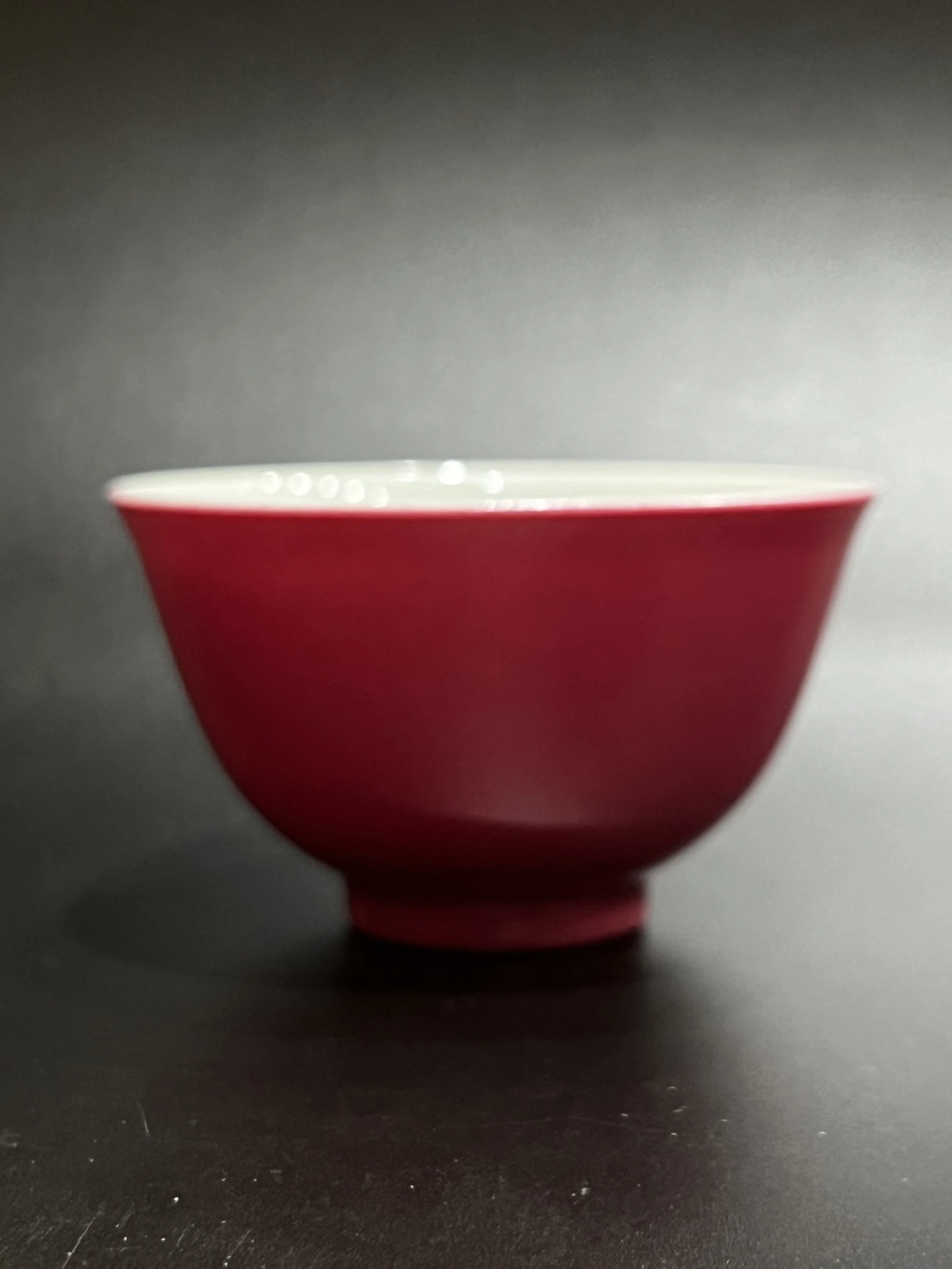 Image 1 of 12
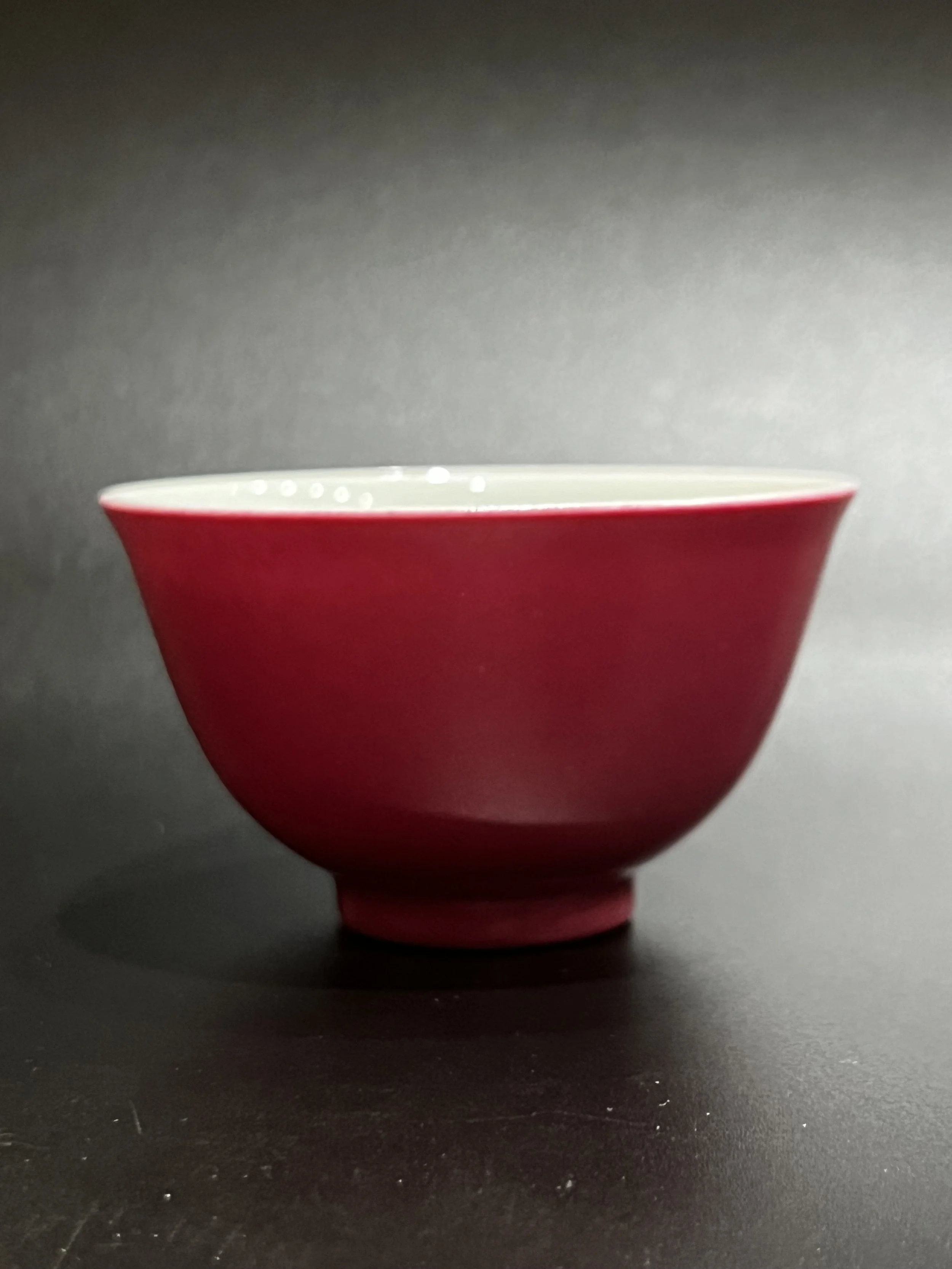 Image 2 of 12
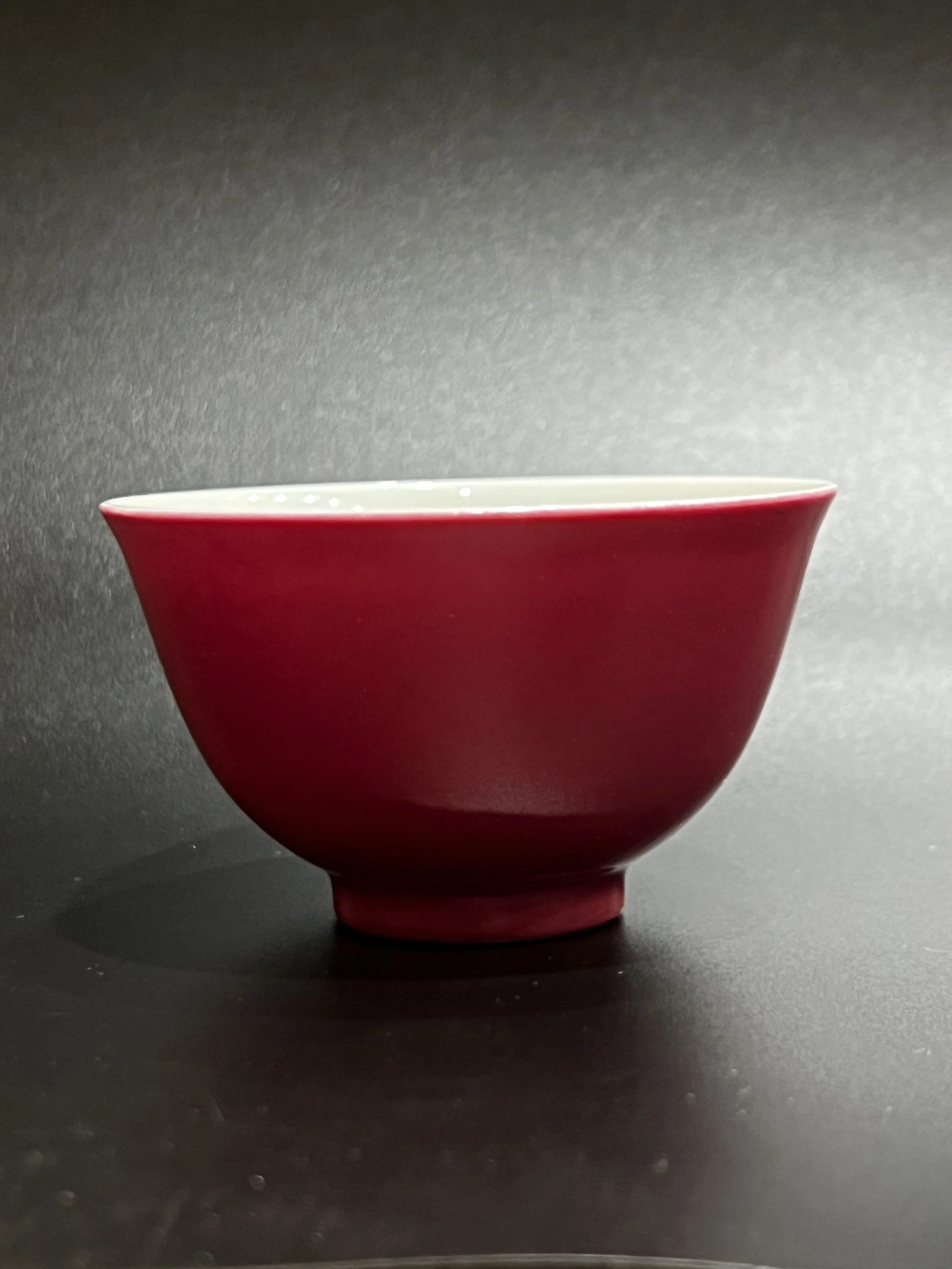 Image 3 of 12
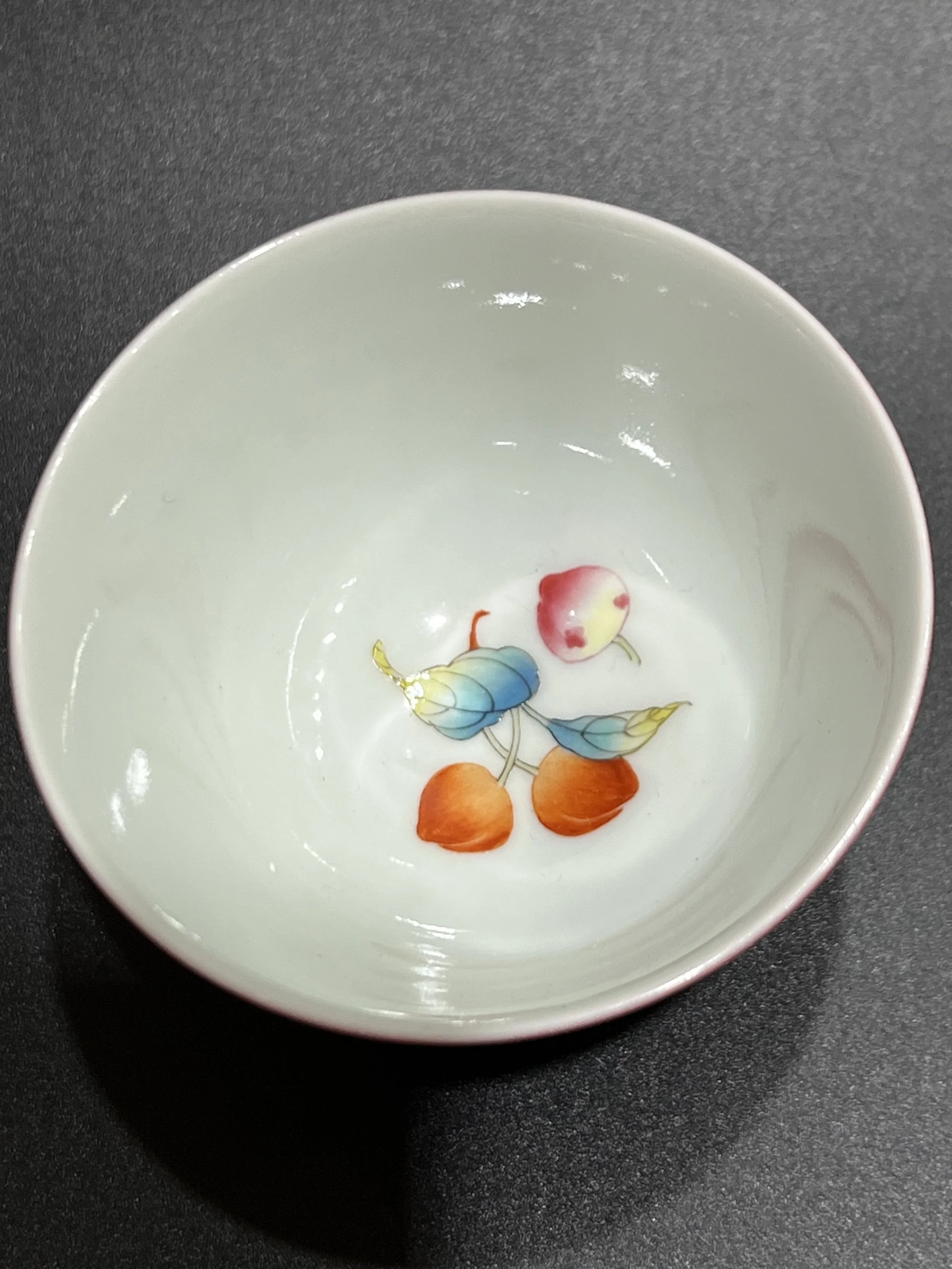 Image 4 of 12
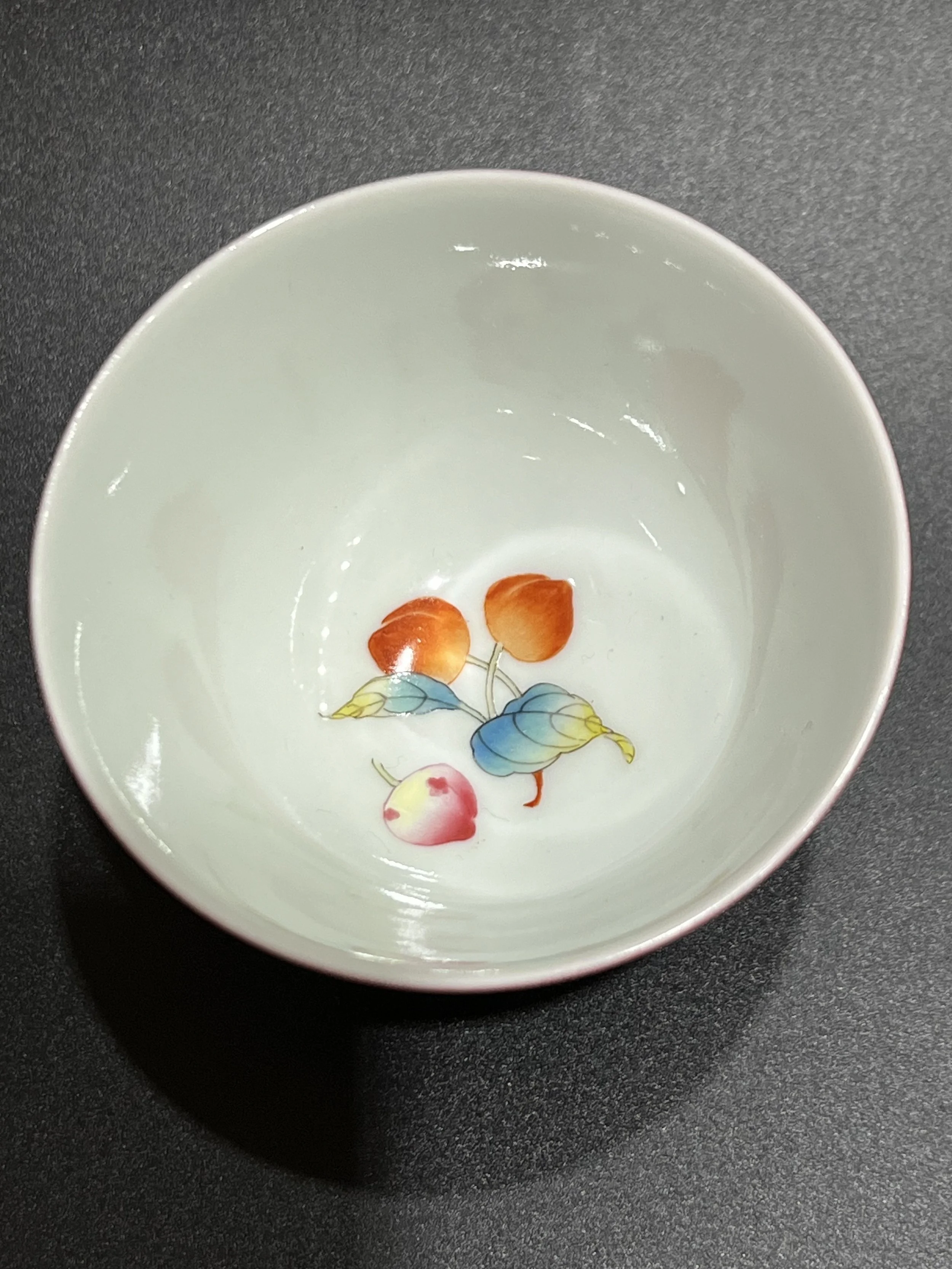 Image 5 of 12
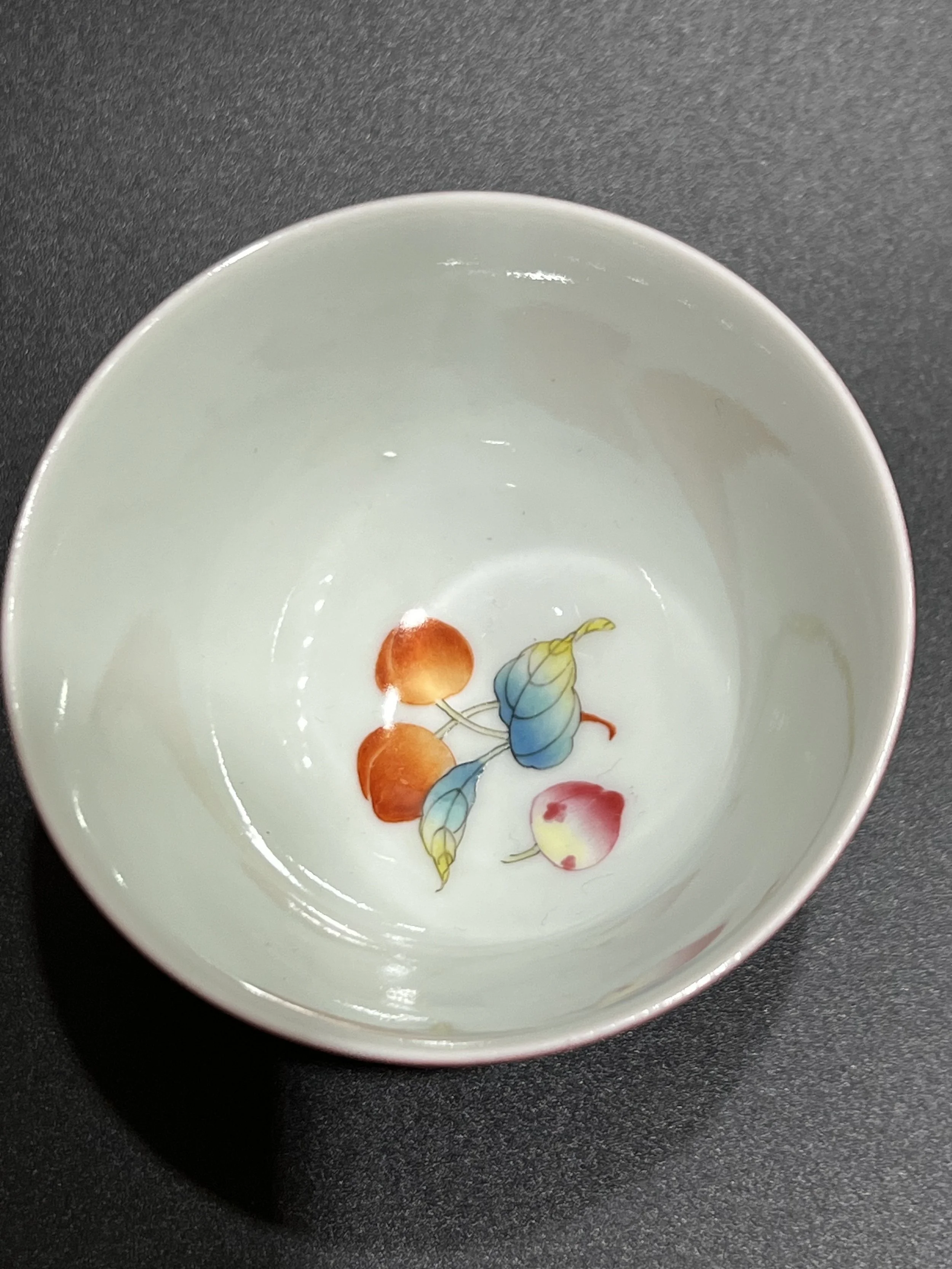 Image 6 of 12
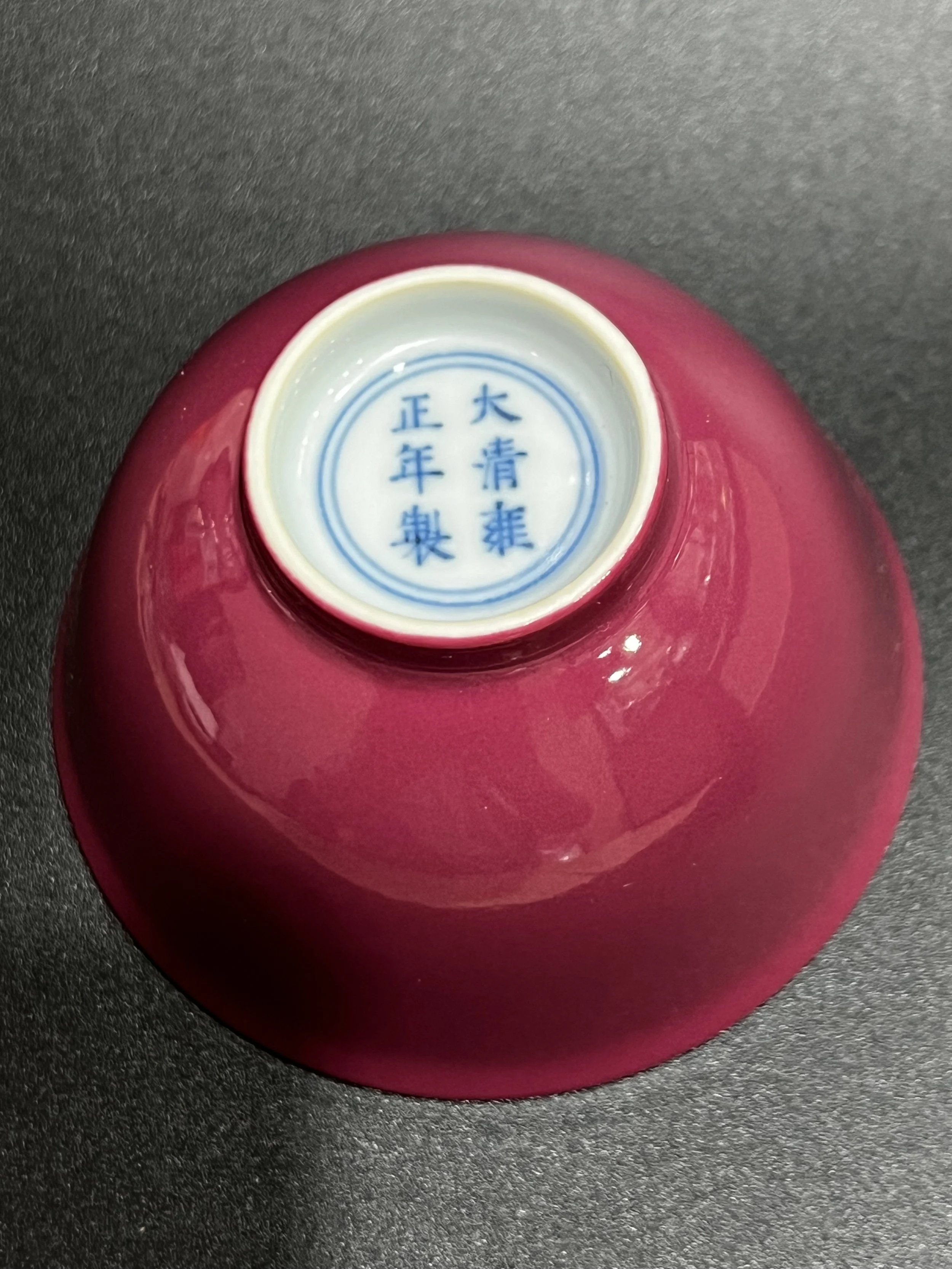 Image 7 of 12
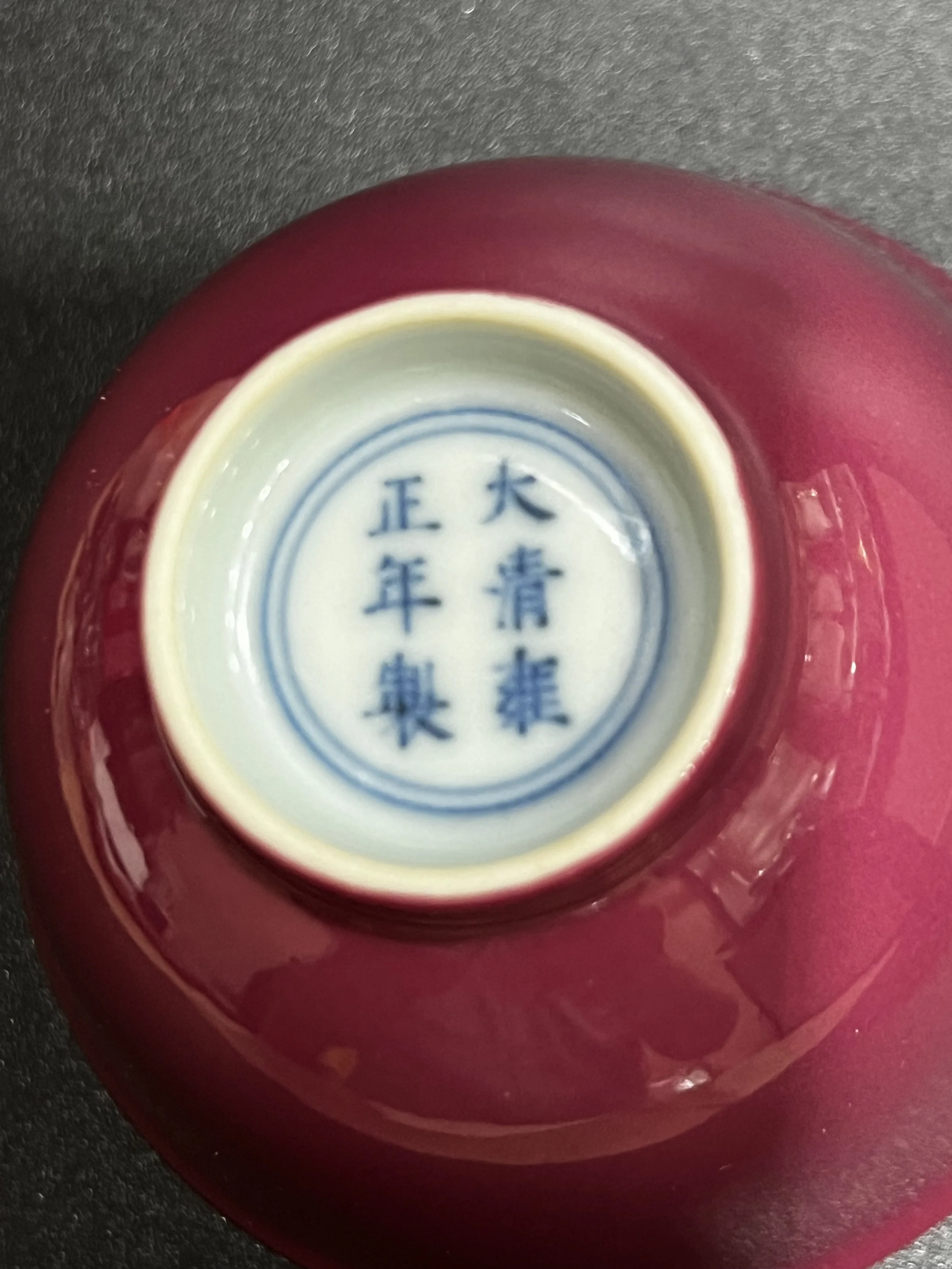 Image 8 of 12
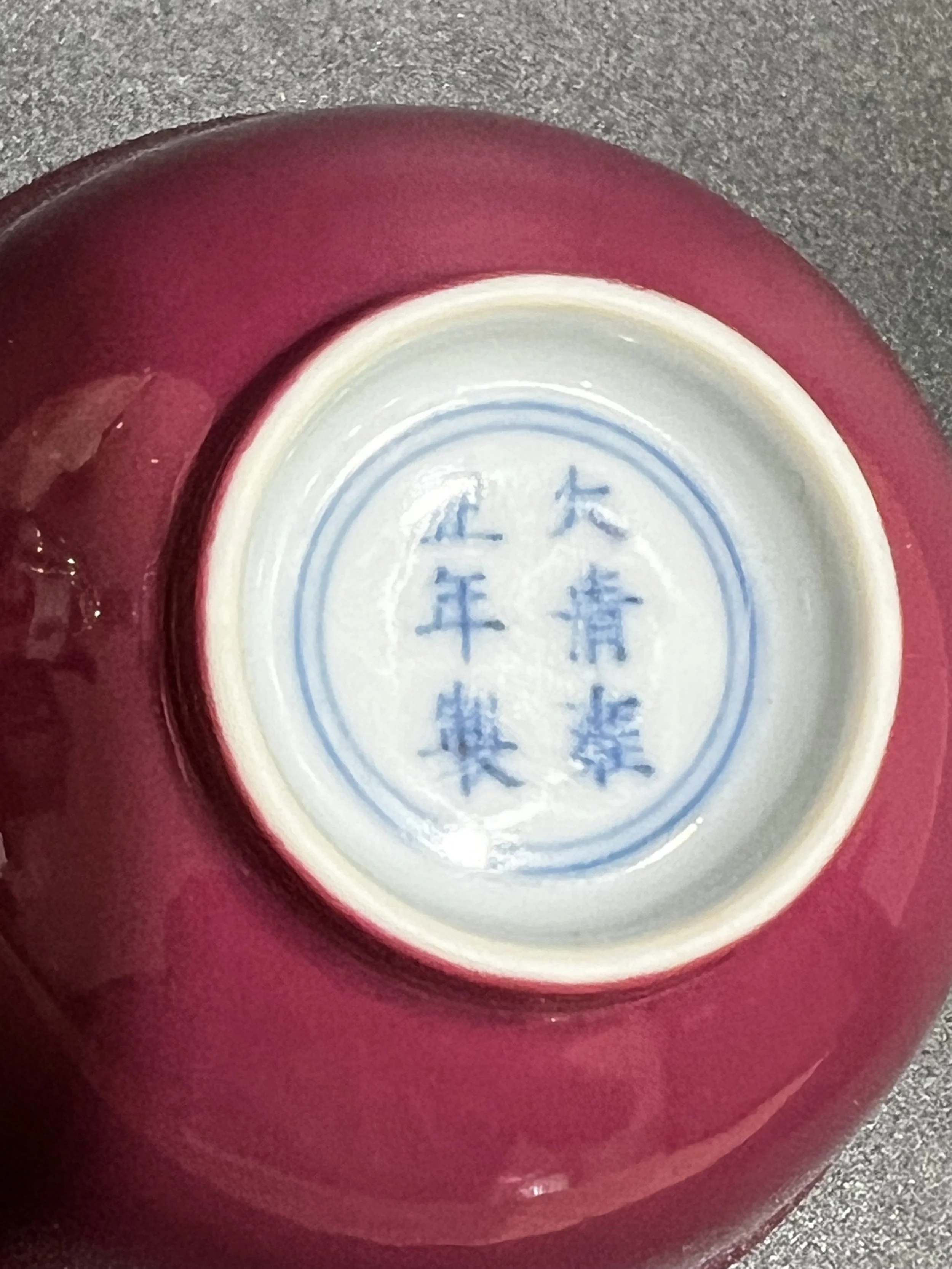 Image 9 of 12
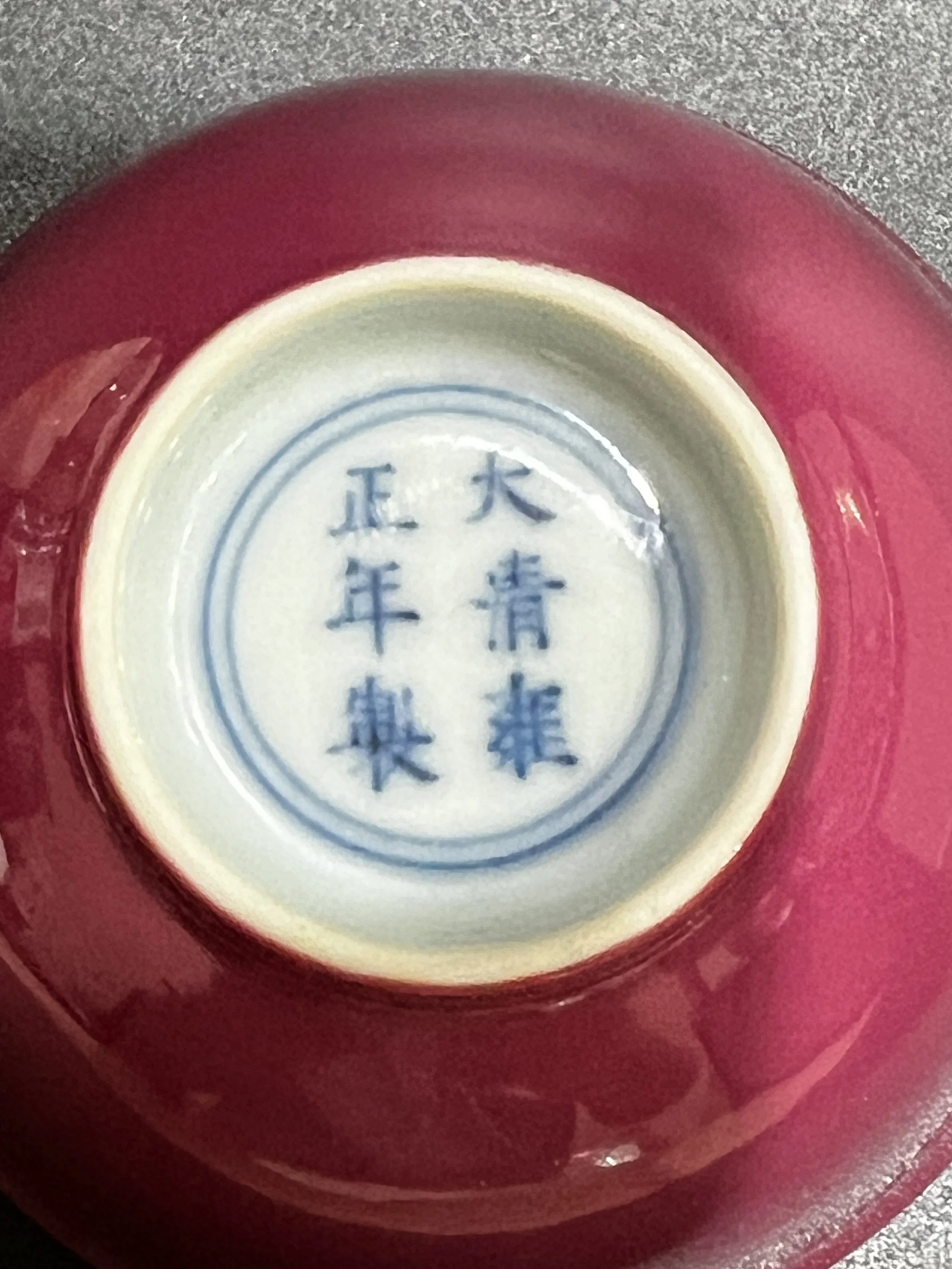 Image 10 of 12
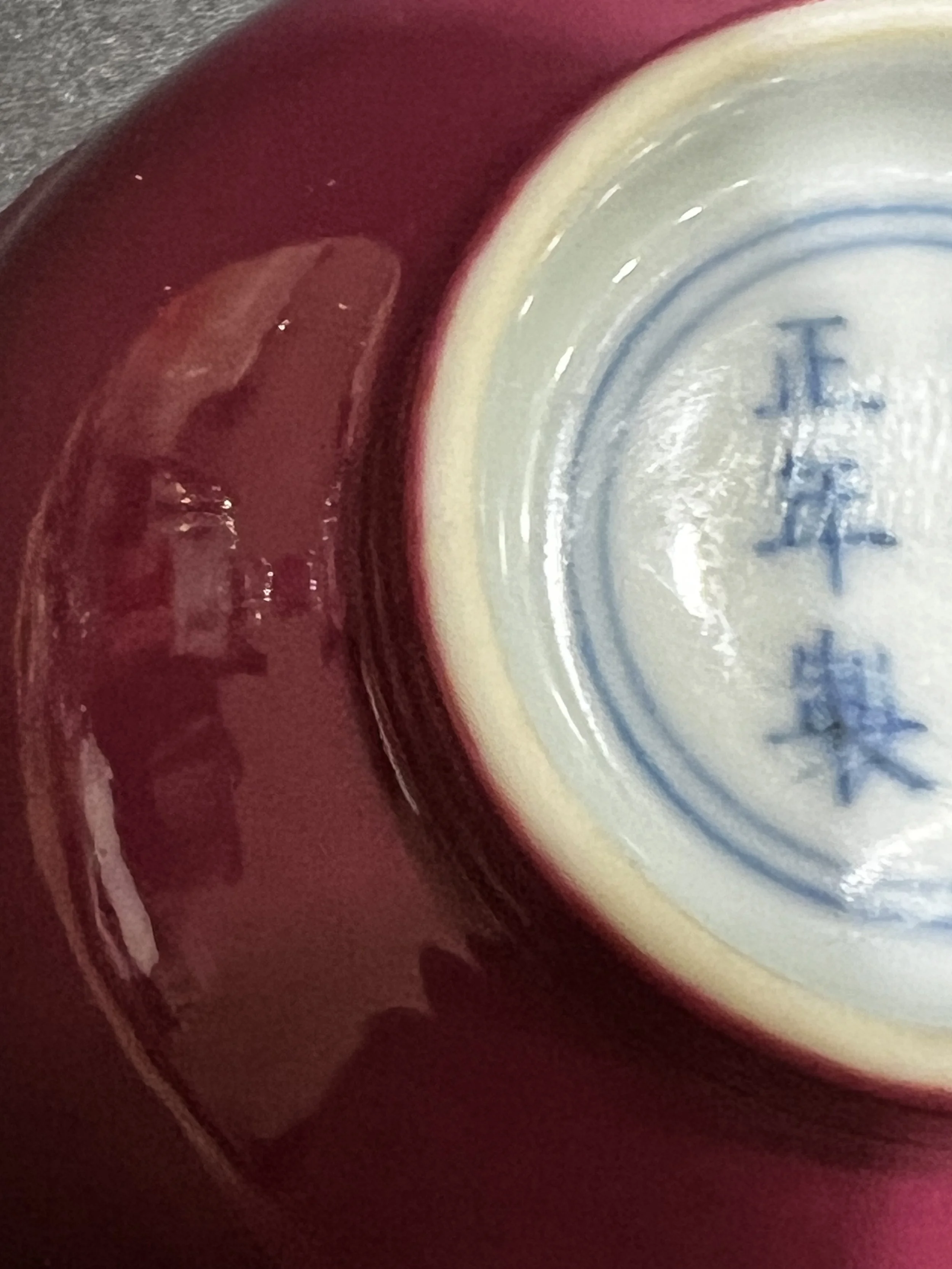 Image 11 of 12
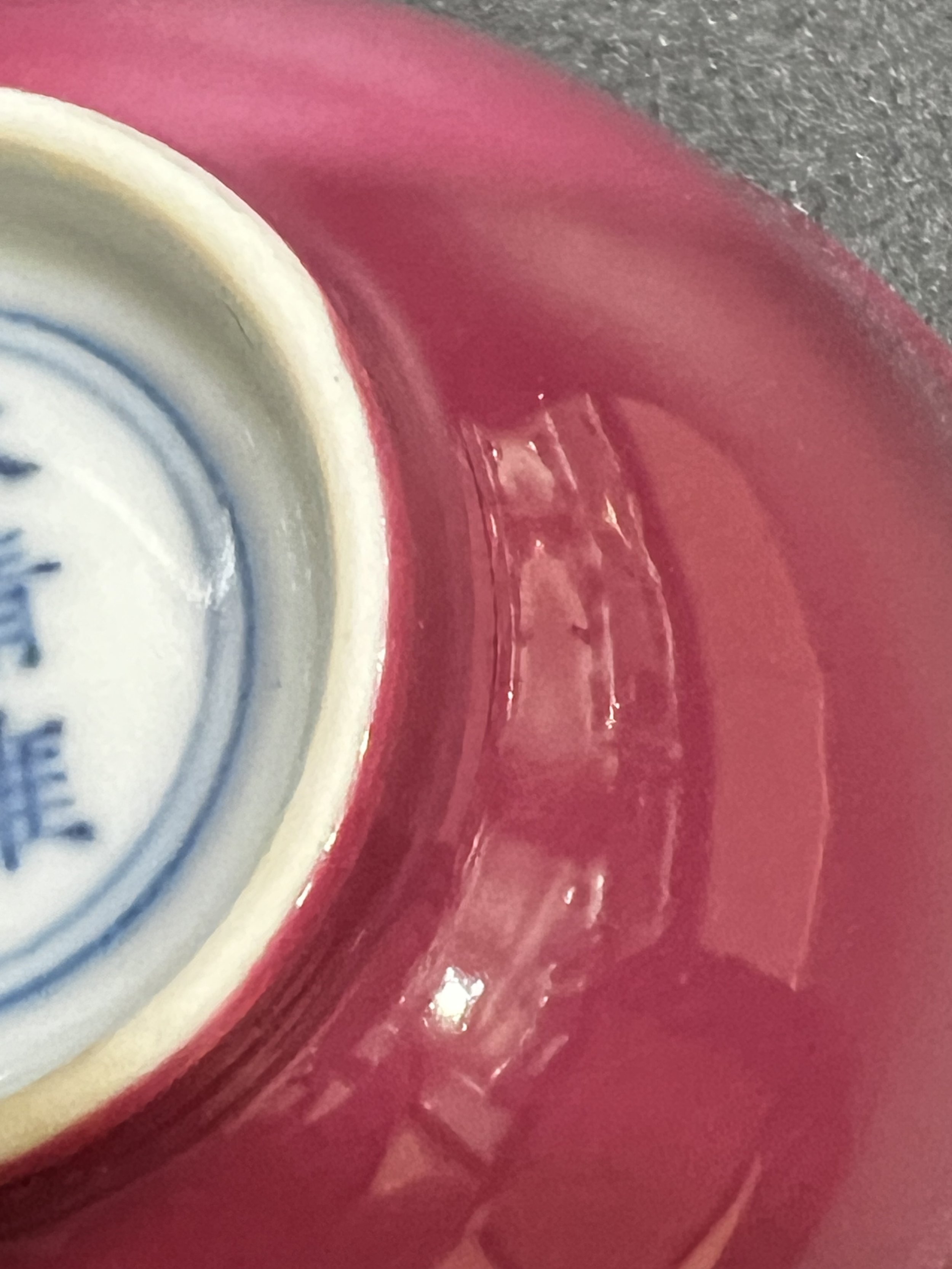 Image 12 of 12